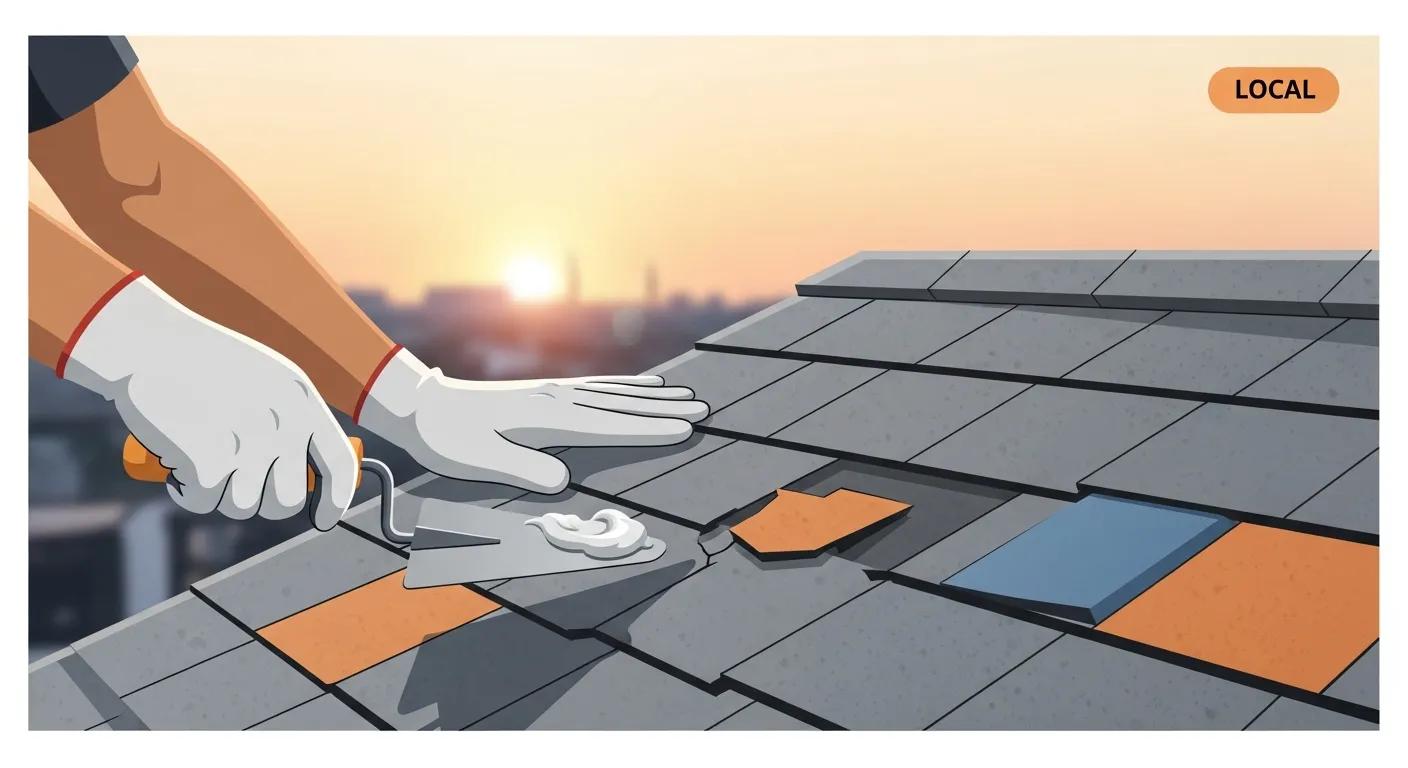
Top Flat Roofing Solutions for Businesses in Nova Scotia
Commercial Flat Roofing in Nova Scotia: A Complete Guide for Businesses from Global Tech Roofing
Flat roofing has become a smart choice for many commercial buildings in Nova Scotia — especially where weather, rooftop equipment and long-term costs matter. This guide walks business owners and facility managers through the common flat-roof systems used here, how they’re installed, the maintenance that keeps them performing, typical costs and how to pick the right contractor. Read on to make a confident, practical decision that protects your building and budget.
What Are Commercial Flat Roofing Systems and Why Are They Ideal for Nova Scotia Businesses?
Commercial flat roofing systems create a mostly level surface that supports different membranes and rooftop equipment. For Nova Scotia businesses — where heavy rain, coastal exposure and winter snow are routine — flat roofs offer clear advantages: easier access for service, lower installation complexity in many cases, efficient use of rooftop space for HVAC or solar, and predictable maintenance needs when installed correctly.
Which Types of Flat Roofs Are Common for Commercial Properties in Nova Scotia?
Several flat roofing systems are widely used in Nova Scotia. Each has strengths depending on your building, budget and exposure:
EPDM Roofing: Ethylene Propylene Diene Monomer (EPDM) is a rubber membrane prized for long-term weather resistance and flexibility. It performs well in cold climates and handles thermal movement without cracking.
TPO Roofing: Thermoplastic Olefin (TPO) is a reflective, single-ply membrane that’s energy-efficient and relatively lightweight. It’s popular where reduced solar heat gain and straightforward installation are priorities.
PVC Roofing: Polyvinyl Chloride (PVC) membranes are durable and chemical-resistant, making them a good fit for roofs exposed to oils, fats or industrial fumes.
Modified Bitumen Roofing: Built from asphalt modified with polymers, this system is installed in layers and offers strong waterproofing and impact resistance.
Built‑Up Roofing (BUR): BUR uses alternating layers of bitumen and reinforcement fabric to create a traditional, multi-ply roof with proven longevity when maintained.
Each option has trade-offs in cost, lifespan and maintenance. Choose with your building’s use, rooftop equipment and local exposure in mind.
Lab simulations and regional studies highlight how humidity, UV, salinity and freeze–thaw cycles uniquely affect single‑ply membranes.
Regional Weather Effects on Single-Ply Roofing Membranes Weather drivers such as humidity, salt air, UV exposure and repeated freezing and thawing influence the aging of single‑ply membranes (TPO, PVC, EPDM). Region-specific testing helps predict long‑term performance and guide material and warranty choices. — Examining regional weather effects on single ply roofing membranes, 2018
How Does Nova Scotia's Climate Affect Flat Roof Material Selection?
Nova Scotia’s mix of heavy rain, coastal salt exposure, and winter snow means materials must resist moisture, handle thermal cycling and shed or drain water effectively. EPDM and TPO are often selected for their waterproofing and movement tolerance, while reflective membranes help lower cooling loads in sunnier months. Local conditions — proximity to the ocean, rooftop equipment and snow-load paths — should drive the final selection.
How Do You Install Commercial Flat Roofs in Nova Scotia?
A correct installation is the single biggest factor in a roof’s performance. The process is methodical: structural assessment, proper insulation, precise membrane installation and careful detailing at penetrations and edges.
What Is the Step-by-Step Process for Flat Roof Installation?
Typical installation steps include:
Preparation and Planning: Inspect the existing deck and structure, measure drainage requirements and plan phasing to minimize business disruption.
Material Selection: Confirm the membrane, insulation and flashings that match the building’s needs and budget.
Installation of Insulation: Install insulation boards to improve thermal performance and reduce heat loss.
Roof Membrane Application: Apply the chosen membrane with attention to seam quality and manufacturer's fastening or welding methods.
Flashing Installation: Properly detail flashings around curbs, drains, vents and edges to prevent water entry.
Final Inspection: Perform a thorough walk‑through and water‑test if appropriate, then document the installation for warranties and maintenance records.
Following these steps reduces the chance of leaks and extends the effective service life of the roof in Nova Scotia’s climate.
What Should Businesses Consider During Installation for Weather Resistance?
To improve weather resistance during installation, pay attention to:
Drainage Solutions: Design for positive drainage and clear roof drains or scuppers so water doesn’t pond — even a slight slope helps.
Material Durability: Select membranes and flashings suited to snow loads, salt air and the expected service life in the local environment.
Installation Techniques: Use contractors experienced with local weather challenges and manufacturer installation requirements to ensure seams and penetrations are watertight.
These choices reduce maintenance needs and lower the risk of premature failures.
What Are the Best Practices for Commercial Flat Roof Repair and Maintenance in Nova Scotia?
Routine maintenance and quick repairs are essential to preserve a flat roof’s lifespan and avoid costly unexpected failures.
How Can Businesses Detect and Repair Common Flat Roof Issues?
Watch for these common problems and address them promptly:
Leaks: Look for water stains, damp insulation or dripping — early detection prevents interior damage.
Ponding Water: Standing water accelerates membrane wear; correct drainage or add tapered insulation where ponding persists.
Cracks and Blisters: Surface splitting or blisters signal aging or trapped moisture; repair or replace affected sections before they worsen.
What Is the Recommended Maintenance Schedule to Extend Roof Lifespan?
A practical maintenance rhythm is:
Biannual Inspections: Inspect at least twice a year — spring and fall are ideal — and after major storms.
Seasonal Maintenance: Clear drains and gutters before freeze-up; check for winter damage in spring and remove debris that can trap moisture.
Annual Professional Assessment: Have a qualified roofer perform a yearly check and recommend repairs or preventive work.
Consistent maintenance helps avoid emergency repairs and maximizes return on your roofing investment.
When and How Should Businesses Use Emergency Commercial Roof Repair Services in Nova Scotia?
Severe weather or sudden failures sometimes require emergency intervention. Knowing when to call for help and what to expect makes the process smoother.
What Are the Signs That Require Immediate Roof Repair?
Contact an emergency roofer if you see:
Visible Leaks: Active water entering the building — water stains, dripping or wet insulation — needs urgent attention.
Ponding Water: Water that remains more than 48 hours increases risk of structural issues and membrane failure.
Damaged Flashing: Missing or torn flashings around vents, curbs or edges can let in water quickly and should be fixed immediately.
How Do Emergency Repair Services Operate in Nova Scotia?
Emergency providers generally follow a clear process:
Assessment: A technician evaluates the damage and recommends immediate and permanent fixes.
Temporary Solutions: If a full repair isn’t possible right away, they will install temporary patching to stop water intrusion.
Repair Timeline: The contractor will outline an expected schedule and cost for completing permanent repairs.
Having a trusted emergency contact on file shortens response time and reduces interior damage during urgent events.
How Much Does Commercial Flat Roofing Cost in Nova Scotia and What Is the ROI?
Costs for commercial flat roofing vary with material choice, roof size, complexity and access. Understanding the drivers behind price and lifespan helps you evaluate return on investment.
What Factors Influence Installation and Repair Costs?
Key cost drivers include:
Material Costs: Membrane type, insulation and flashing materials differ in price and expected lifespan — EPDM is often less costly upfront than PVC but has different performance characteristics.
Labor Costs: Skilled installers familiar with commercial systems and local conditions command higher rates, but quality installation reduces future repair bills.
Geographic Factors: Local market supply, seasonal demand and shipping for specialty materials can affect pricing.
Choosing the right material involves balancing upfront cost, expected service life and the specific performance needs of your building.
Optimal Roofing Material Selection & Cost A structured approach to material and cost selection helps identify the most suitable roofing system for different roof types and budgets, improving long‑term value and warranty alignment. — Product‑cost modelling approach for the development of a decision support system for optimal roofing material selection, H Odeyinka, 2012
How Can Businesses Maximize Return on Investment with Flat Roofing?
To improve ROI consider:
Regular Maintenance: A proactive inspection and repair program prevents small issues from becoming large expenses.
Energy Efficiency: Reflective membranes and proper insulation lower HVAC costs over the life of the roof.
Quality Installation: Paying for an experienced crew and correct details reduces the likelihood of early failures and warranty disputes.
These strategies extend useful life and reduce total cost of ownership.
How Do You Choose the Right Commercial Roofing Contractor in Nova Scotia?
Hiring the right contractor is as important as choosing the material. The right team ensures details are handled correctly and warranties are supported.
What Criteria Should Businesses Use to Select a Reliable Roofing Contractor?
When evaluating contractors, look for:
Licensing and Insurance: Confirm proper licensing and liability and workers’ compensation coverage to protect your business.
References and Reviews: Ask for recent commercial references and verify workmanship through photos, site visits or online reviews.
Experience with Commercial Roofs: Prior experience with flat roofing systems similar to yours reduces installation risk and speeds troubleshooting.
Why Is Local Experience Important for Commercial Flat Roofing Projects?
Local experience matters because:
Understanding Local Climate: Contractors who work regularly in Nova Scotia know which materials and details cope best with snow, salt and wind.
Knowledge of Building Codes: Local firms are more likely to be current with regional codes and permitting requirements.
Established Relationships: Local contractors often have supplier relationships that help with lead times and pricing.
Choosing a contractor with local expertise reduces surprises and optimizes long‑term performance.
Frequently Asked Questions
What are the common signs of flat roof damage that businesses should look for?
Look for water stains or damp patches inside the building, visible puddles on the roof that don’t drain within 48 hours, and surface defects like cracks, splits or blisters. Any of these signs should prompt a closer inspection and timely repair to avoid interior damage.
How often should businesses conduct roof inspections?
Inspect the roof at least twice a year — ideally in spring and fall — and after any major storm. Seasonal checks plus an annual professional review help catch issues early and keep warranties valid.
What are the benefits of using reflective roofing materials?
Reflective membranes (like many TPO products and some EPDM finishes) reduce solar heat gain, which lowers cooling loads and energy costs in warmer months. They also help improve indoor comfort and can contribute to sustainability targets or rebate eligibility.
What should businesses do if they experience a roofing emergency?
Act quickly: identify and contain interior water where possible, document damage for insurance, and contact a 24/7 emergency roofing service. Temporary patches or tarps can limit further damage until permanent repairs are completed.
How can businesses ensure their flat roof installation is done correctly?
Hire an experienced, licensed commercial roofing contractor, verify references and warranty terms, and stay engaged during installation. Confirm that insulation, membrane seams and flashings are installed to manufacturer specifications and that post‑installation documentation is provided.
What are the long-term cost benefits of regular roof maintenance?
Regular maintenance reduces the chance of unexpected failures, extends the roof’s service life, improves energy efficiency and lowers total ownership costs. Small, timely repairs are typically far less expensive than emergency replacements.
Conclusion
Choosing the right flat roofing system for a commercial property in Nova Scotia pays off in durability, energy savings and fewer surprises. Focus on selecting materials and contractors that match your building’s exposure and use, keep a steady maintenance plan, and address issues quickly. If you’d like help narrowing options or finding local contractors, start with an expert assessment to protect your investment and keep your building watertight year after year.